Northern Lights
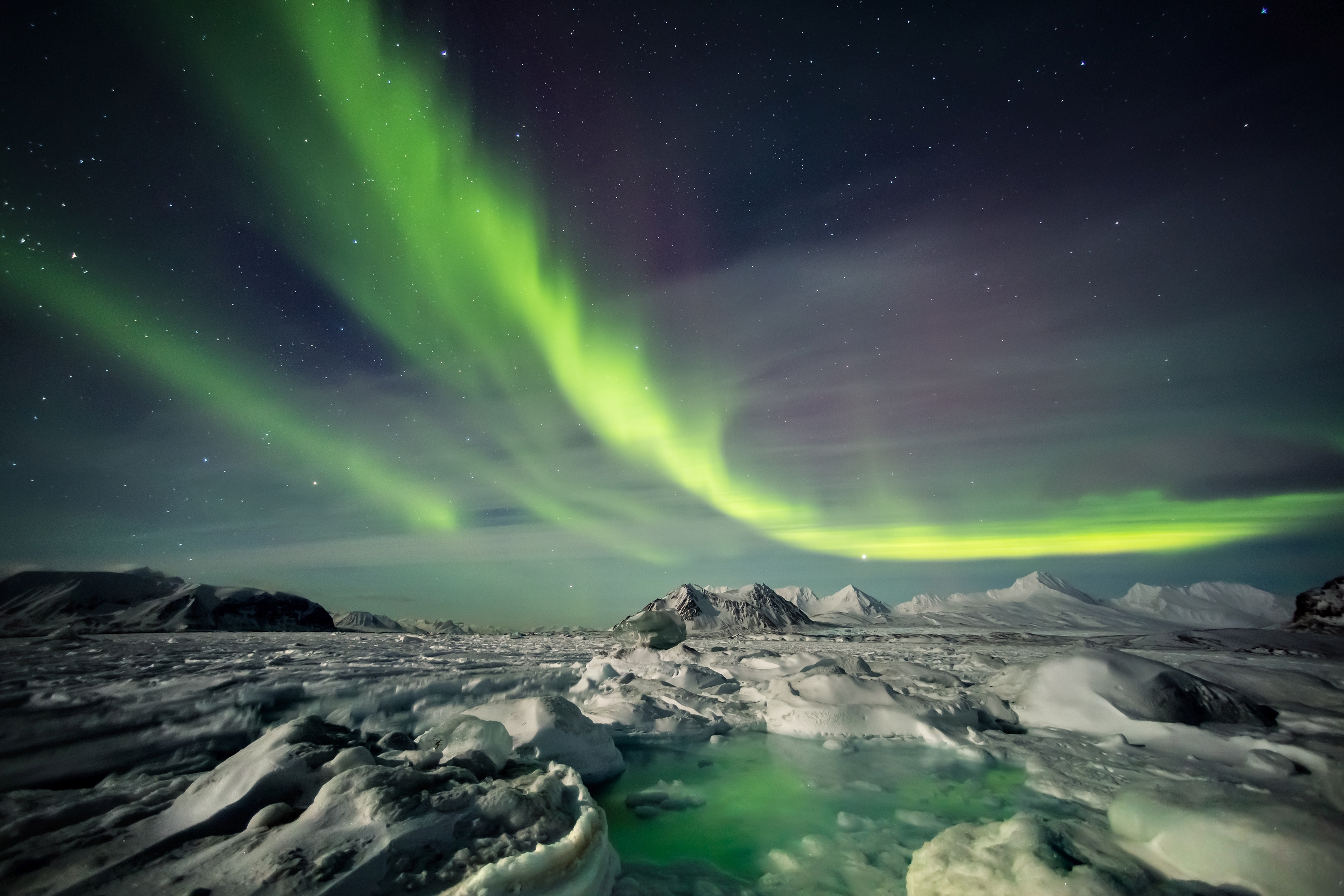
The northern lights, or aurora borealis, are one of the most sought-after natural experiences in Iceland. Iceland's high latitude, low light pollution, and long winter nights make it one of the best places in the world to see them, though a sighting always depends on a combination of clear skies, solar activity, and a little patience.

When and Where to See the Northern Lights in Iceland
The aurora borealis is visible in Iceland from late August through to mid-April, when nights are dark enough for the lights to show. The peak months are October through March, when Iceland experiences its longest periods of darkness. No aurora is visible during summer due to the midnight sun. Solar activity is currently elevated following the peak of Solar Cycle 25 around 2025, meaning 2025 and 2026 offer particularly strong conditions for dramatic displays. The best forecasting tool is the Icelandic Met Office aurora forecast at en.vedur.is, which shows both solar activity levels and cloud cover on the same map, allowing you to identify where the skies are likely to be clearest on any given night.
The single biggest factor outside of solar activity is light pollution. Reykjavik produces enough ambient light to wash out fainter displays, so heading at least 20 to 30 minutes outside the city significantly improves your chances. Thingvellir National Park, about 45 minutes east of Reykjavik, is one of the most popular spots for this reason, offering both dark skies and spectacular surroundings. Anywhere in rural Iceland with an open, unobstructed view of the sky will work well. The lights are most active between 9pm and 1am but can appear at any point after dark. Patience is genuinely required: a quiet night can turn spectacular within minutes, and many visitors find their best sightings come late in the evening after others have given up.
Guided northern lights tours depart from Reykjavik every evening during the season, with experienced local guides who monitor conditions in real time and adapt routes to find the clearest skies. This is the most reliable option for visitors with limited nights. Those who prefer to go independently should rent a car, check forecasts regularly, and be prepared to drive toward clearer weather if conditions shift. Dress in warm, windproof layers regardless of how mild it seems when you leave, as standing still in an open field on a clear Icelandic night gets cold quickly. No special equipment is needed to see the aurora, though a tripod and camera with manual settings will allow you to photograph it properly.