
Travel Sustainably in Iceland

Travel sustainably in Iceland
At Iceland Unlimited, we believe in doing our part for the planet and our local environment and communities. For that reason, we want to encourage you to do the same when visiting our beloved nation, Iceland.
Below you'll find tips to prepare for your trip and how you can support the local economy and have a positive impact.
Kindly also take some time to read our sustainability policy.
We wish you a wonderful time in Iceland!
Packing for your visit in Iceland
You can arrive in Iceland prepared to be as green as possible by bringing a couple of items from home. We recommend packing a refillable water bottle and a reusable shopping bag.
That's because drinking water in Iceland is very pure. Almost all tap water in Iceland comes from groundwater that is filtered naturally through layers of volcanic rock. That means it's safe, and delicious, to drink the tap water and you can refill as you go.
Stores in Iceland are required by law to charge for every shopping bag. So an easy way for you to reduce the amount of waste from your holiday and save money is to bring a reusable shopping bag with you.
Making the most of the local culture
Come to Iceland and you will see more than volcanoes, glaciers and lava fields. You'll also discover a culture rooted in Nordic and Viking heritage. Take part in the local culture to embrace your Icelandic experience while making a positive impact on the economy and people.
1. Shop local for souvenirs
If you plan on buying souvenirs while in Iceland, why not purchase items made locally? Here are some suggestions of true Iceland souvenirs:
- Knitted wool clothing – particularly check out The Handknitting Association of Iceland.
- Cosmetics made from Icelandic herbs and minerals – examples include products from the Blue Lagoon skincare, Sóley Organic, and Villimey, among others.
- Ceramic products – look for shops and galleries like Koalin, Skúmaskot, or the Kogga Ceramic Gallery & Studio.
- Icelandic sweets and chocolate – Icelanders love black licorice and chocolate-covered licorice, so why not try it while you're here?
- Books by Icelandic authors from Icelandic bookstores – Icelanders are very proud of their literary heritage. Most notably this includes the Icelandic sagas and Iceland's only Nobel Prize for Literature winner, Halldór Laxness.
When buying souvenirs, try to look at the origins of the product to see if they are local or not. You can also ask the vendor. For example, some lava rock jewelry isn't made in Iceland or with Icelandic lava rock.
2. Don't remove natural items from the landscape
Please keep in mind that it is illegal in Iceland to take stones, plants, lava rocks, or other natural items from protected areas.
3. Eat local
An easy way to support the local economy while traveling is to eat out at Icelandic restaurants. We recommend you look for menus that feature local produce like fresh fish, meat, dairy products, and vegetables. (Yes! Iceland grows a variety of fresh vegetables in greenhouses heated by geothermal energy year-round.)
4. Attend Icelandic events
You could go to special events and festivals in Reykjavík or around the country. It's a great way to immerse yourself in and support Icelandic culture.
For events in Reykjavík, check out the website What's On.
5. Be respectful of local traditions and customs
When visiting cultural and historical sites, remember to be mindful of their importance for locals.
Reducing Your Travel Footprint
Here are some sustainable considerations you can keep in mind to reduce the carbon footprint of your flights:
1. Use booking platforms that display carbon emissions data
Use booking platforms that display carbon emissions data for each flight, enabling you to select options with lower environmental impact.
2. Opt for nonstop flights whenever possible
Opt for nonstop flights whenever possible to decrease your journey's carbon output. Since aircraft consume the most fuel during takeoff and landing, flights with connections generate higher emissions.
3. Fly with airlines that provide reliable carbon offset programs
Fly with airlines that provide reliable carbon offset programs. If your carrier doesn't offer this option, you can contribute to a carbon offset organization independently.
Using Sustainable Transportation
1. Walk when you can
Reykjavík, Iceland's capital, is very easy to get around on foot. Make sure to stroll along Laugavegur, the main shopping street.
2. Hop on an electric scooter
Want to give your feet a rest? An easy, cheap, and sustainable way to travel around Reykjavík is by electric scooter. You'll usually find these dotted around the city center available for use. To rent one, download apps like Hopp or Zolo on your smartphone.
3. Use public transport
You also have the option of taking the public bus. This is especially convenient if you plan to travel outside of the center of Reykjavík. Go on the Strætó website to easily find which bus to take.
4. Drive gently to be more eco-efficient
If you are going on a self-drive tour, there is still a way for you to be more sustainable if you want. The easiest way to limit the fuel consumption of your vehicle is to drive gently and evenly. Acceleration and braking require more energy, so avoid sharp acceleration and abrupt braking will help.
Conserving the natural environment
One of the main attractions in Iceland is its incredible natural scenery, and there is a lot you can do or keep in mind to help during your trip.
1. Don't go off-road driving
Off-road driving is illegal in Iceland. Driving and parking sensibly will help preserve Iceland's fragile nature. Keep to marked roads and parking spots and do not create an obstruction.
2. Hike along marked trails
Hiking is a great way to explore the natural beauty of Iceland. You'll find many scenic hiking trails of all levels and through a variety of landscapes. Make sure to stay on marked paths. This will help conserve the native flora, as, for example, moss is fragile and can easily be damaged if stepped on.
3. Leave no trace behind
Iceland is known for its unspoiled and clean nature. Help keep it this way by putting your litter away and recycling it if possible. If there are no garbage cans where you are visiting, take your rubbish back with you to your accommodation so you can dispose of it there.
4. Do not disrupt stone cairns or carve your name in rocks
There is an old tradition in Iceland of creating stone cairns to guide travelers. These stone cairns are part of Iceland's living cultural heritage, so please do not move them and do not create your own. This can disrupt the landscape and create scars in the moss.
During your travels, you might also come upon tuff mountains. Tuff is a rock type created from volcanic ash, so it's very soft, which means it is easy to scar. In the past, some people have carved their names or images on these rocks. Please avoid doing this.
5. Be mindful when visiting national parks and protected areas
You need to show extra consideration when visiting these sites. Some areas in national parks may have restricted access during wildlife nesting and breeding seasons. Make sure to honor these restrictions so as not to disturb wildlife.
6. Visit sites outside peak times
If you can, try to visit popular attractions outside peak times. Not only will you help reduce the pressure on these areas, but you'll enjoy a more relaxed experience when you visit.
On the Visit Iceland website, you can see the visitor numbers at many popular highlights. This can help you determine if you should come back later.
7. Observe wildlife without disturbing it
When visiting Iceland and going wildlife spotting, your goal should be quiet observation. Make sure to watch wildlife from a distance. To not disturb the different species, we recommend you do not make quick movements or loud noises. And do not try to touch them.
In Iceland, you might encounter the following animals:
- Arctic fox – the only native land mammal in Iceland. They are a bit shy so can be hard to spot.
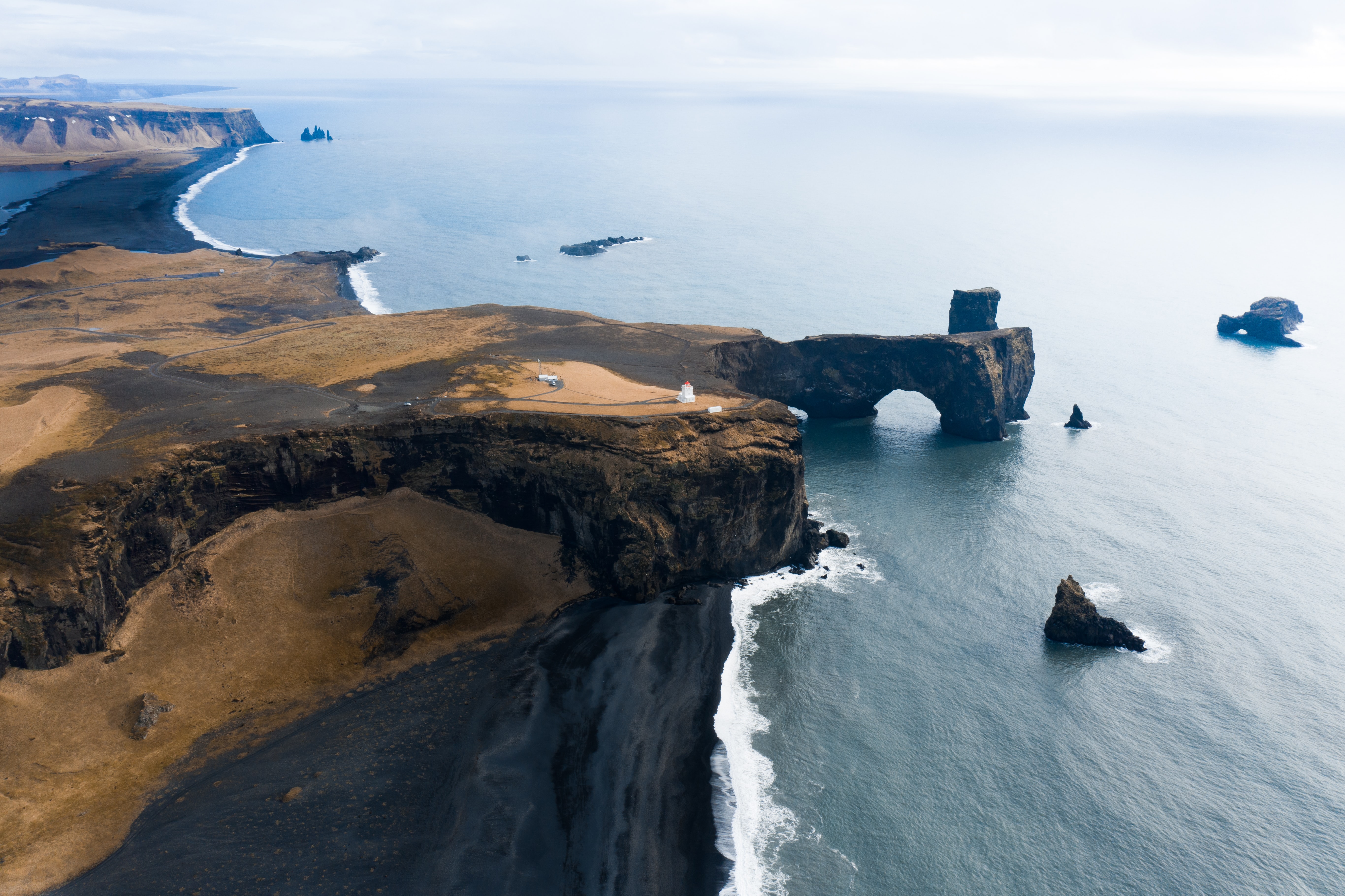
- Different bird species – as Iceland is a paradise for bird watchers. The most famous bird species is probably the adorable puffin. During their breeding season, top spots like Dyrhólaey on the south coast and Hafnarhólmi in Borgarfjörður eystri may have restricted access.
- Please note that the Icelandic gyrfalcon is a protected species in Iceland. Their eggs and other products made from the bird are illegal.
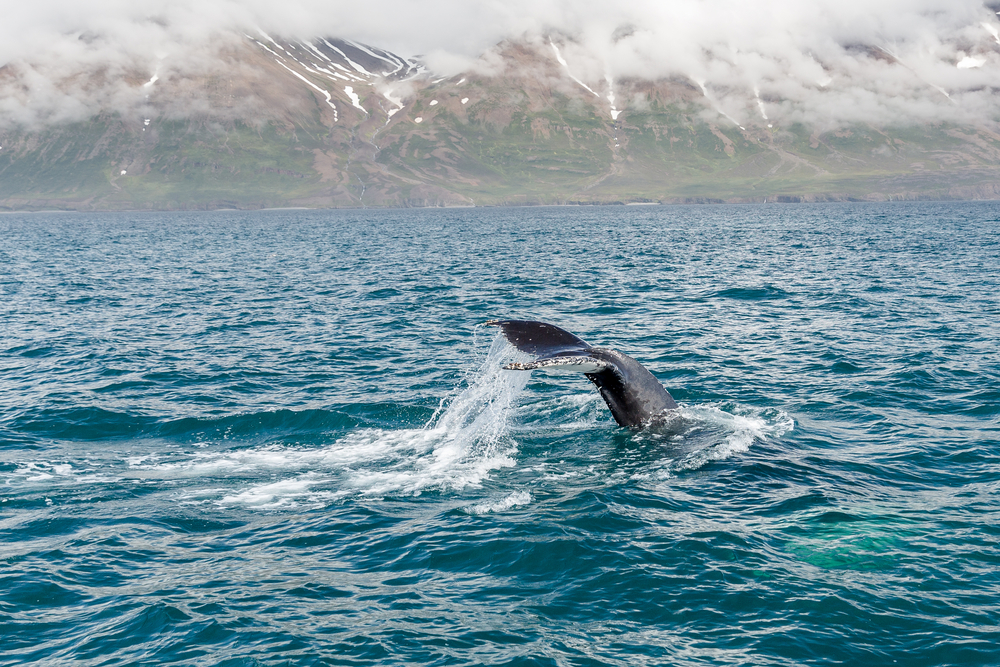
- Whales – Iceland is a top destination to see whales! You'll want to visit Húsavík, considered to be the whale-watching capital of the country, but there are also tours available from Reykjavík. The time to visit for whale watching is from April–October.
- Reindeer – head to the east coast to spot these animals roaming freely. During the winter, they seek lower ground and can often be spotted along the roads.
- Sheep – After the lambing season in May, the sheep can roam freely in the mountains and fjords. You might even spot them by the road, so please be mindful of that when driving.
A good thing to keep in mind is that if you see the ewe (female sheep) on one side of the road and her lambs on the other side of the road, you should slow down. That's because you might scare the lambs and they might try to run into the road to join their mother.
Icelandic horses – some might be roaming in the vast fields, or you might spot them by farms. If you want to ride an Icelandic horse, book an excursion to add to your itinerary. Or ask your travel consultant.
8. Take the Icelandic Pledge
We love tourism and we love our country and the best way to combine these is with a pledge to travel more sustainably. You can take the Icelandic Pledge to show your support for our conservation efforts.

Carbon offsetting your trip
If you are interested in carbon offsetting your trip, you can do so through the Iceland Carbon Fund. What does carbon offsetting mean? Trees will be planted to offset the carbon emissions produced by your trip.
Did you know that before human settlement, birch forests covered around 25-40% of Iceland? In the next few hundred years, around 95% of the original forests had been permanently destroyed.
Reforestation efforts in Iceland have been ongoing since the early 1900s. If you choose to offset your trip with tree planting, then you will be helping us reclaim a part of the original birch forest in Iceland.
By travelling in a sustainable way, you are helping us preserve our beautiful country so that future generations can also enjoy visiting.

Want to explore more tours?







Get inspired, explore our travel blog
Travel Sustainably in Iceland

Is Iceland in the Arctic Circle?

How Long Does it Take to Drive Around Iceland?

Fjadrargljufur canyon – Iceland’s epic canyon

The Best Places to See Puffins in Iceland

Best Whale Watching in Iceland - Where is the Best Place to see Whales in Iceland

Secret Lagoon - When looking for Blue Lagoon alternatives

14 Things to Do in Snaefellsnes Peninsula

Iceland Christmas Traditions - Ugly Christmas Sweater Party

Orca Watching Iceland - How to reach Snaefellsnes in the West of Iceland

4 Best hot springs in the Westfjords

Things to know about Videy Island

Iceland Ice Cave in Summer – Unique Tour close to Vik

Whale Watching Island – die besten Orte für eine Walbeobachtung auf Island
A Wonderful Adventure from Above - Helicopter Ride Iceland

Ice Caves in Iceland - All You Need To Know
The Best Geothermal Spas in Iceland
